

How to Plan a Marketing Campaign That Actually Works
Introduction
Most marketing campaigns fail not because of poor execution, but because of poor planning.
Businesses often:
- Jump into creative execution
- Focus on channels first
- Rush timelines
But without structure, campaigns become:
- Disconnected
- Ineffective
- Difficult to measure
A successful campaign starts with strategy.
What is a marketing campaign?
A marketing campaign is a structured initiative designed to achieve a specific objective, such as:
- Lead generation
- Brand awareness
- Product launch
Why most campaigns fail
You cannot optimize
Step-by-Step campaign planning framework
Be specific:
- Generate 500 leads
- Increase awareness
- Drive event registrations
Define:
- Who they are
- What they need
- What motivates them
Focus on:
- Problem
- Solution
- Value
Based on audience:
- Paid ads
- Events
Ensure:
- Consistency
- Clarity
- Alignment
Follow structured timelines and maintain alignment across all campaign activities.
Track:
- Engagement
- Leads
- Conversion
What makes a campaign successful
- Clear objective
- Strong messaging
- Integrated execution
- Continuous optimization
If your campaigns are not delivering results:
Read more insights
Role of events in brand building
Events and brand activations play a critical role in building engagement, trust, and brand recall. When aligned with a broader marketing strategy, they create meaningful experiences that go beyond digital touchpoints. This article explores how events contribute to brand building and long-term visibility.
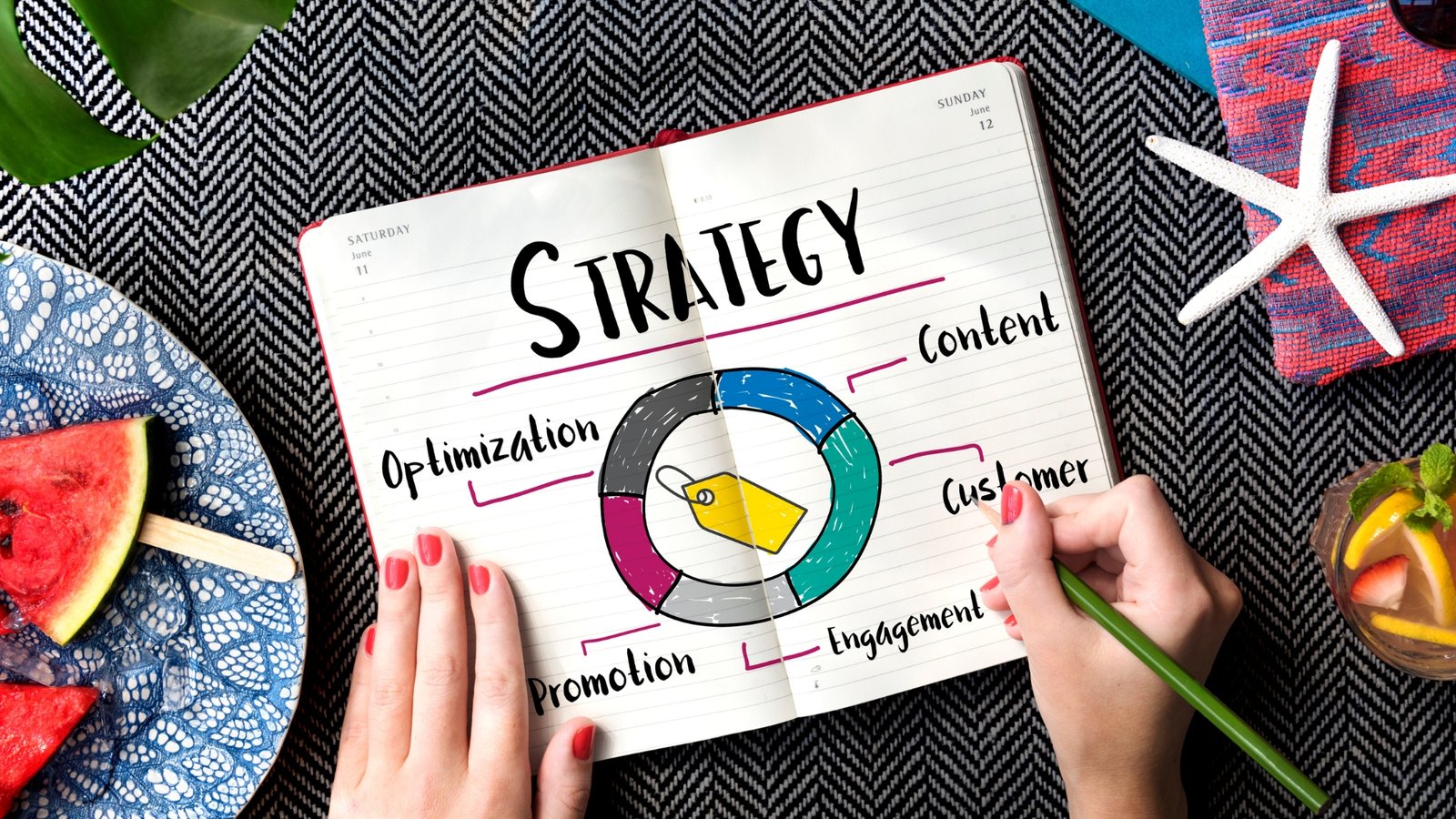
Integrated marketing strategy
An integrated marketing strategy ensures that messaging, channels, and campaigns work together instead of in silos. Without integration, marketing efforts become inconsistent and less effective. This article explains how aligning channels and communication improves overall marketing performance and results.